Cover Design
Making your book stand out
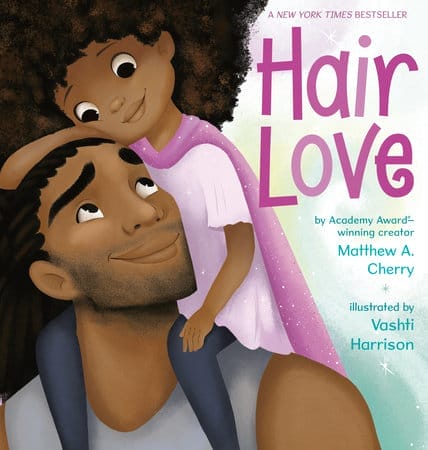
The first thing a person does who is wondering about reading a book is to look at the front cover, then flip it over to look at the back cover and blurb. Usually only then do they open it.
Covers are meant to pull people into a book and get them reading
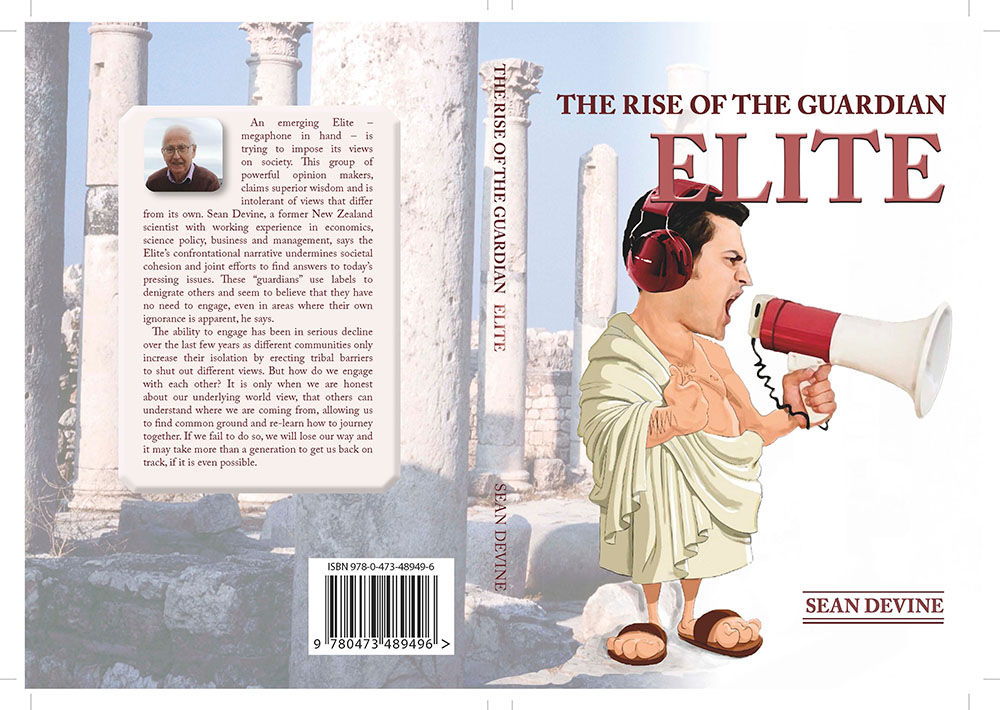
Below: a few covers by Briar's Books, showing front and back - laid out ready for printing





...more about covers
- Covers are meant to be true to the book content. You don't put cute flowers and birds on the cover of a book about a murder mystery in Victorian London.
- A good cover brings a book alive. An author I work with told me she dissolved into tears (of happiness) when she saw the cover I designed for her last book. It conveyed exactly what she wanted and put finishing touches to her 270 pages of prose.
- Covers aren't just thrown together - or shouldn't be. They are a collaborative effort between author and designer - a process.
- Some authors come with very clear ideas about what they want and their art all prepared for scanning and arrangement on the cover. Go here to see how to prepare your photos. Others have no idea - not even in general terms - and the designer has to ask questions to come up with something that hits the spot.
- The back cover traditionally has a blurb describing what the book is about, a brief author's profile and usually a photograph (Mugshot) of the author. (Readers enjoy seeing what an author looks like.)
- The International Standard book number (ISBN) - though not obligatory - is usually expected on a back cover and is allocated by the National Library (in NZ). It is converted by the designer into a bar code that sits at the bottom of the back cover.
- If the author wants to use their own publishing logo, this can be carried on the back cover and at the base of the spine