Photos and Illustrations
A book can suffer from poor photos and art
It can never be said too often. People wanting a book done by BriarsBooks invariably show up with photos that are far too low in resolution and often taken from the Internet. These never work in commercially printed books and have to be worked up to look good - all extra expense for the client. Bring in photo originals if you possibly can, so they can be scanned at high resolution. If you want to use photos you have taken yourself, take them at the highest resolution you can on your camera
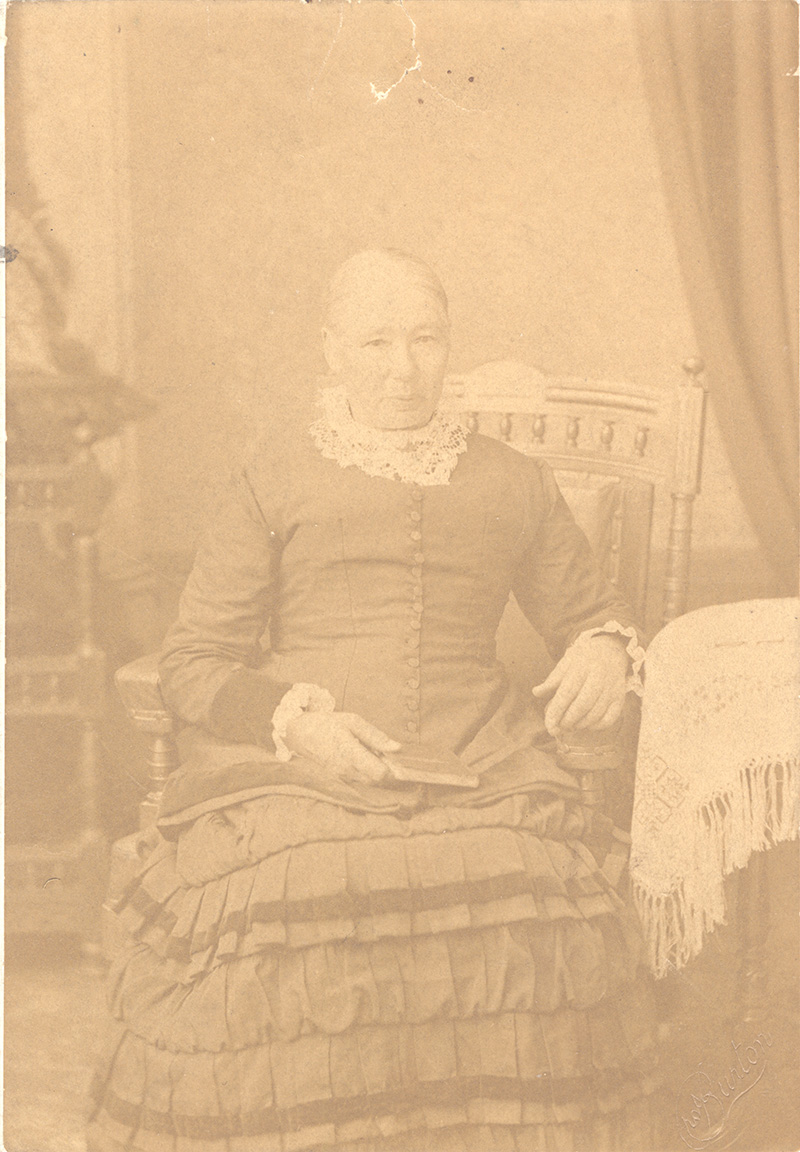
It's always sad to see an autobiography or genealogy book with poorly reproduced, faded and blemished photos in it. Many of these can be greatly improved without costing much. BriarsBooks offers this service
Below, the same photo after a bit of work
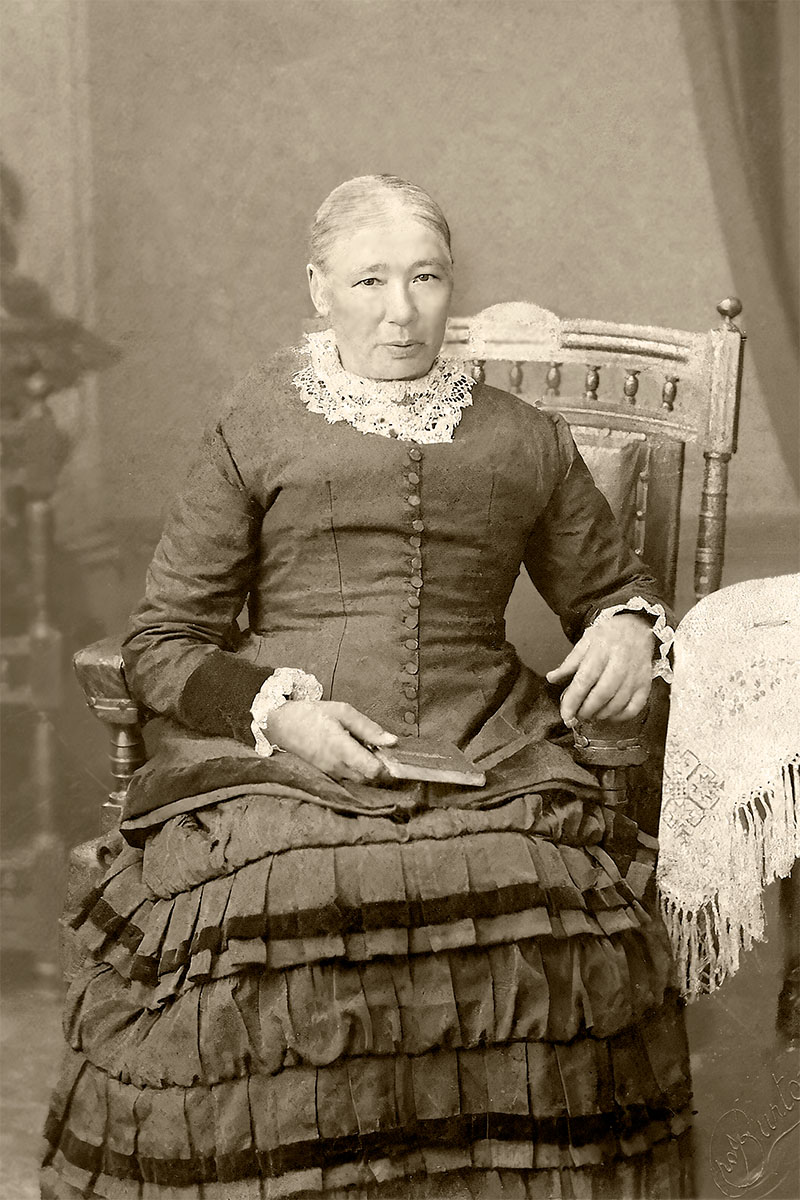
Fixing old photographs can do wonders - and it doesn't have to be costly if only basic changes are made. The woman in the chair began coming back to life after only a few careful tweaks to a tonal curve in a photo editing program. It depends how far you want a restoration to go and it can stop at any point. This photo would need to be printed in colour (to retain the sepia tone) but could easily be converted to black and white (and look good printed in 256 tints of black).
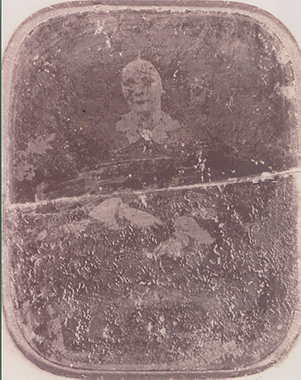
The author had planned to use this photo - the worst of about 20 or so - in her genealogy book.
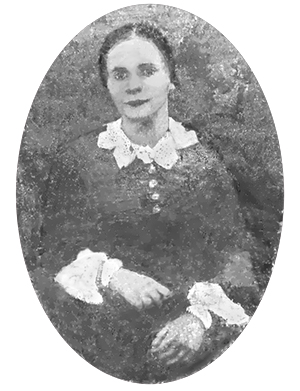
She was startled at what could be done with it, but stopped at these basic improvements for cost reasons
...more about art and photos
- Photos are best brought into your designer as originals - if possible - so they can be scanned at appropriate resolutions. Photos taken off the Internet will usually have not nearly enough pixels to reproduce well in a commercial printing process. It will shrink in size and need artificial boosting.
- If you have a digital photo that is up to specifications - ie 2000 pixels at the short edge @ 300 dots per inch (dpi) , then that will work. If you only have a small digital photo of 72 dpi it can be enlarged (rescued) by inventing pixels. But some of these enlargements can leave a bit to be desired.
- Photos can be turned from colour to black and white, and black and white photos can be coloured.
- Printing coloured photos will always cost you more than printing black and white, because the printer has to use 4 colours instead of just black. Best use colour photos sparingly.
- Illustrators have traditionally been expensive but these days many of them are using AI and mastering "text prompts" in AI tools to create art. AI is a rapidly advancing tool and can create very suitable art for eg children's books but it can still produce unpredictable results. Usually subscriptions to AI programs are required.
- Authors so inclined can experiment themselves with AI to create their own art and illustrations. The problem is getting a character in a book, who is doing different things on each page, to look consistent through a book. Or you can leave it to your book designer to work the AI for you.
- An author can draw or paint their own art or call up an illustrator in the family or in a network of artistic friends. Often a family member is happy to work at reduced costs - or at no cost, happy to end up with their name on your book. Your art might not be as professional as you would like, but you might be happy to live with that.
- Of course children's books are usually in full colour throughout and need printer stocks that will enhance the colour.
- The designer of your book can create art and illustrations for you if you want. BriarsBooks offers this service.
- Often an author likes to create their own publishing logo - a small piece of art that can be placed on the copyright page and used on all later books and in all PR.
PHOTOS
ART AND ILLUSTRATIONS
AI - artificial intelligence
See what AI can do for children's books